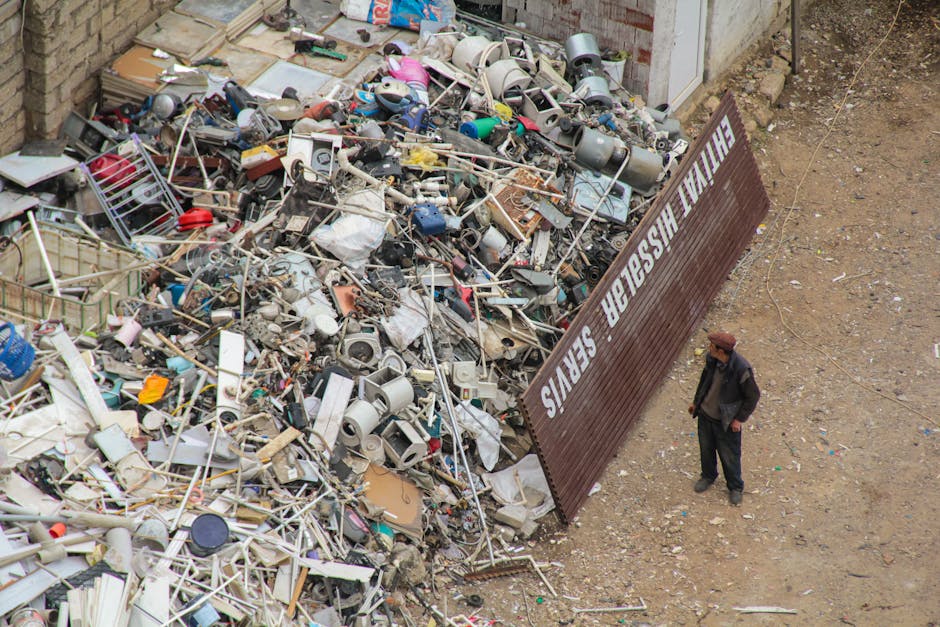
Haringey Council rules for bulky item disposal during removals
Moving house or office in Haringey has a way of exposing every awkward item you own. The sofa that will not fit through the door. The mattress you meant to replace six months ago. The old wardrobe that squeaks every time you open it. If you are planning a move, understanding the Haringey Council rules for bulky item disposal during removals can save you time, stress, and a last-minute scramble.
Bulky waste is one of those jobs that looks simple until you start lifting. Then you realise there are questions everywhere: what counts as bulky, whether the council will collect it, how far in advance you need to book, and what happens if your moving day changes. This guide breaks it all down in plain English, with practical advice for anyone trying to clear space before, during, or after a move.
If you are already planning a full property move, it may also help to look at home moves and house removals so your disposal plan and moving plan work together instead of fighting each other. That sounds obvious, but in real life people often separate the two and then end up doubling back. Not fun.
Table of Contents
- Why the rules matter during a move
- How bulky item disposal works in Haringey
- Key benefits and practical advantages
- Who this is for and when it makes sense
- Step-by-step guidance
- Expert tips for better results
- Common mistakes to avoid
- Tools, resources and recommendations
- Law, compliance, standards and best practice
- Options, methods and comparison table
- Case study or real-world example
- Practical checklist
- Conclusion
- Frequently asked questions
Why Haringey Council rules for bulky item disposal during removals Matters
When you are moving, bulky waste is not just clutter. It affects timing, access, labour, and even whether the move stays on budget. A broken chest of drawers can take up the same van space as a perfectly good one, and if you leave it behind for "later", later often turns into an extra trip, a missed collection, or a pileup in the hallway on moving day.
Haringey Council has rules and procedures for bulky item disposal because large waste needs handling differently from standard household rubbish. Councils usually place limits on what can be collected, where items must be left, how many items can go in one booking, and what must be separated for safety or recycling reasons. The exact process can change, so it is always wise to check the current local guidance before you book anything.
From a removals point of view, the big benefit is control. If you know what can be collected, what should be reused, and what must go through a specialist route, you can plan the move properly. No guessing. No dragging a cracked wardrobe downstairs at 7am while the hallway is already full of boxes. Let's face it, nobody wants that kind of morning.
Expert summary: The smartest approach is to treat bulky item disposal as part of the move plan, not as an afterthought. That one change usually saves space, reduces labour, and makes collection or disposal much less stressful.
How Haringey Council rules for bulky item disposal during removals Works
In practical terms, bulky item disposal usually means arranging for large household items to be taken away separately from normal waste. Think mattresses, wardrobes, sofas, tables, white goods, shelving, and similar awkward pieces. During removals, this matters because those items may need to be cleared before the van arrives, or loaded last if they are going to a different destination.
Most councils work with a booking system or a designated bulky waste collection service. You typically need to provide item details, confirm the collection address, and leave items in a specified place. Some items may be refused if they are too hazardous, contaminated, too heavy for safe handling, or not accepted under the council's current conditions. That is why checking the rules in advance matters so much.
There is also a difference between disposing and moving. If an item is coming with you, it belongs in the removals plan. If it is being discarded, it belongs in the clearance plan. Mixing the two creates delays. We see this a lot with flats and maisonettes where access is tight and lift time is limited. The best results usually come from splitting items into three clear groups: keep, donate/reuse, and dispose.
If the items are still usable, a furniture-focused service may be more sensible than straight disposal. For example, furniture removals or furniture pick up can be useful when you need help moving bulky pieces out quickly but do not want them treated as mixed rubbish. That distinction matters.
Key Benefits and Practical Advantages
Following the Haringey Council approach properly gives you more than compliance. It gives you breathing room. When bulky items are planned early, the move feels calmer, cleaner, and oddly more manageable.
- Less last-minute stress: You are not trying to dispose of a sofa on the same day you are handing back keys.
- Better use of removal space: Vans and trucks are expensive when used poorly. Clear the junk, and the load becomes easier to organise.
- Lower lifting risk: Heavy, awkward furniture can cause injury or damage if it is moved in a rush.
- Cleaner property handover: Landlords, agents, and buyers notice what has been left behind. They really do.
- Better recycling outcomes: Some bulky items can be reused or broken down more responsibly than simply dumped.
A hidden advantage is psychological. A cleared room feels different. You can hear your footsteps again. You can see the floor. That small sense of progress often keeps the whole move moving forward. It sounds minor, but in our experience it is a big deal.
Who This Is For and When It Makes Sense
This topic matters to more people than you might think. It is not just for homeowners with a front room full of unwanted furniture. It also matters to renters, landlords, students, office managers, and anyone coordinating a tight moving schedule.
You will want to pay close attention if you are:
- moving out of a flat with limited lift or stair access
- clearing a house before completion or tenancy end
- replacing large furniture and want the old items gone
- trying to free up space before professional movers arrive
- dealing with mixed items in storage, lofts, or garages
- organising a commercial move and need furniture or equipment removed
For businesses, bulky disposal can be even more important because office furniture, filing units, desks, and chairs often need to be cleared in a sequence. If that sounds familiar, the planning principles are similar to office removals and commercial moves. The only difference is scale. And the number of cables. Always the cables.
Students and flat-sharers have their own version of the problem too. A mattress or shelving unit can become a logistical nightmare when a lease ends on a weekday and everyone is leaving at different times. In those cases, services like student removals can be a practical fit alongside local disposal planning.
Step-by-Step Guidance
Here is a practical way to handle bulky item disposal during a Haringey move without turning it into a second full-time job.
- Walk through the property early. Go room by room and list anything too large, too damaged, or too costly to move. Include garden items, loft storage, and anything in cupboards that has quietly become your problem.
- Sort items into categories. Keep, donate, sell, recycle, dispose. This prevents "maybe" items from sitting in the corner until moving day.
- Check the current Haringey Council rules. Confirm what can be collected, booking timelines, item limits, and whether items need to be placed outside in a certain way.
- Measure access routes. Stairs, lifts, narrow hallways, controlled parking, and loading bays all matter. A bulky item may be technically removable but awkward in practice.
- Decide whether disposal or relocation is the better option. Some items are cheaper to replace than move. Others are worth keeping if they still have life in them.
- Book collections and removals in the right order. If waste is going first, make sure it is gone before the moving crew arrives. If it is coming with you, pack and protect it properly.
- Prepare the items safely. Empty drawers, remove detachable parts, tape loose doors shut where appropriate, and clear pathways.
- Leave a final buffer day if possible. A small gap between disposal and moving day can save you from the classic "collection delayed, van already here" situation.
That last step is a quiet lifesaver. If the timeline is tight, even an extra half-day of breathing space can make the whole operation feel less chaotic.
Expert Tips for Better Results
There are a few practical habits that make bulky disposal much smoother, especially in a busy London move.
1. Deal with the biggest items first
Big items create the most pressure on space and access. If you remove them early, everything else becomes easier to stack, sort, and load. It is a simple thing, but very effective.
2. Do not wait until the van is outside
If you are still deciding what to do with a sofa when the crew is already there, your options narrow fast. Make the call early. Even a slightly imperfect decision beats a rushed one most days.
3. Use photos to plan the move
Take quick photos of bulky items and awkward rooms. You do not need a full survey. Just enough to remember what you are dealing with. That one picture of the broken bed frame in the spare room can save a lot of back-and-forth later.
4. Keep disposal and recycling separate where possible
If an item can be reused, repaired, or passed on, consider that before you book disposal. Responsible handling is better for the environment and often less wasteful. If sustainability matters to you, the company's recycling and sustainability approach is worth looking at alongside your own planning.
5. Make the access route boringly clear
Move shoes, mats, baskets, bins, and random side tables out of the way. You want an obvious path. No obstacles, no second-guessing. Simple is better.
Common Mistakes to Avoid
Most bulky disposal problems during removals come from a few repeat mistakes. The good news? They are easy to avoid once you know them.
- Assuming the council will take anything: Not all items are accepted, and some may need specialist handling.
- Leaving it too late: Collections, parking, and moving schedules all need lead time.
- Forgetting the item is damaged: Broken furniture can have sharp edges, loose nails, or unstable panels.
- Not checking property rules: Flats, estates, and managed buildings may have access restrictions or collection points.
- Mixing disposal with a full house move: This is how rooms become congested and plans fall apart by noon.
- Ignoring weights and lifting risks: A heavy chest of drawers can be more awkward than it looks. Always respect the weight.
One of the most common surprises is access. People think, "It will be fine, we only have two flights of stairs." Then moving day arrives and the item catches the bannister at exactly the wrong angle. Funny later. Not funny then.
Tools, Resources and Recommendations
You do not need fancy equipment, but a few simple tools make a huge difference.
- Measuring tape: Essential for checking doorways, lifts, and item dimensions.
- Marker labels or tape: Useful for identifying keep, dispose, and donate piles.
- Work gloves: Helpful for handling rough edges and old timber.
- Blankets or covers: Good for protecting nearby walls, floors, and items still being moved.
- Bag or box for fixings: Keep screws, hinges, and small parts together so nothing goes missing.
From a service perspective, it can help to compare a few practical options depending on the item. If you only have one or two bulky pieces, a simple collection may be enough. If you have many items or awkward access, a broader removals solution may be easier. That is where man and van support, man with a van, or removal services can make sense, especially when timing is tight.
For larger loads or heavier furniture, a dedicated removal truck hire option may be better than trying to squeeze everything into something too small. Underestimating volume is a classic move-day mistake. Very classic.
Law, Compliance, Standards and Best Practice
When bulky waste is involved, the main principle is straightforward: it should be handled lawfully, safely, and responsibly. You should not leave large items where they create obstruction, block access, or become a hazard to neighbours, passers-by, or building staff. That is especially important in shared hallways, on pavements, or near communal bins.
There is also a duty of care mindset at work here. In plain English, that means waste should be given to the right party and dealt with properly. If you pass items on for removal, disposal, or recycling, you want confidence they will be handled in line with normal UK waste expectations and safe working practice. That is where established removals providers and clear policies matter.
For movers and customers alike, health and safety should not be an afterthought. Large items can cause crush injuries, cuts, back strain, or property damage. If you are working with professionals, it is sensible to review their health and safety policy and insurance and safety information so you know how they approach risk. A trustworthy provider should be comfortable talking about this in plain language.
It is also smart to read the terms and conditions before booking anything, especially where timing, access, item condition, or cancellation arrangements matter. A few minutes of reading can save a lot of awkwardness later. Nobody wants to debate what "clear access" means while a fridge is blocking the landing.
Options, Methods and Comparison Table
There is rarely just one way to deal with bulky items during a move. The right choice depends on value, time, access, and the condition of the item.
| Option | Best for | Pros | Watch-outs |
|---|---|---|---|
| Council bulky collection | Single or limited large household items | Simple, local, good for clear disposal | Booking rules, item limits, timing constraints |
| Private removal help | Multiple items or awkward access | Flexible, faster, tailored to your move | May cost more than basic council collection |
| Reuse or donation route | Usable furniture and equipment | Less waste, potentially quicker clear-out | Condition standards may vary |
| Storage first, decision later | Items you are not ready to part with | Buys time and reduces pressure | Storage costs and the risk of delaying decisions |
If your items are good enough to keep but not ready to go straight into the new property, storage can bridge the gap. That works particularly well during chain delays or refurbishments. A lot of people are relieved to discover that they do not have to make every decision on one very long Tuesday. Storage can buy you breathing room.
Case Study or Real-World Example
A typical Haringey move might look something like this. A couple in a two-bed flat in Tottenham were leaving behind a worn wardrobe, an old mattress, and a dining table that had seen better days. Their initial plan was simple: "We'll sort it on moving day."
That changed quickly once they measured the hallway and realised the wardrobe would need to be dismantled before it could be moved at all. The mattress was easy enough. The table was fine, but bulky. The wardrobe was the real problem. It also turned out the building had limited lift access during the morning slot they wanted.
So they split the job into three. The mattress and table went into a disposal plan. The wardrobe was dismantled first and moved via a furniture service because parts of it were still usable. The rest of the move was booked with a normal removals schedule. The result? Less hallway clutter, fewer arguments, and a much calmer handover. Nothing dramatic, just better planning.
That is usually the pattern. Once bulky items are separated early, the move becomes far easier to control.
Practical Checklist
Use this checklist in the week before your move.
- Walk through every room and list bulky items
- Measure large furniture and note access restrictions
- Check the latest Haringey Council bulky waste rules
- Decide which items will be kept, sold, donated, stored, or disposed of
- Book collections or removal help early
- Remove contents from drawers, shelves, and cupboards
- Protect floors, corners, and shared hallways where needed
- Label any item that must not be moved accidentally
- Keep a buffer day before handover if possible
- Confirm parking and loading arrangements
If you are already juggling boxes, tape, and paperwork, use the checklist as a shortcut. It keeps the moving brain from slipping into foggy mode, which happens to the best of us.
Get a free quote today and see how much you can save.
Conclusion
Haringey Council rules for bulky item disposal during removals are really about one thing: making a complicated move a bit more manageable. If you treat bulky waste early, separate what can be reused, and plan the disposal route alongside the move itself, you avoid most of the usual headaches.
The safest approach is simple. Check the current local rules, keep unsafe lifting to a minimum, and do not leave large items until the last minute. Whether you are moving from a flat, a family home, or a work premises, a little planning goes a long way. The room feels lighter, the schedule feels saner, and the whole day just has a better shape to it.
If you need help with the move itself, it can be worth reviewing removals, flat removals, or house removalists to see what fits your situation best. Not every move needs the same solution, and that is perfectly fine.
One clear plan, one tidy exit, and a lot less mess. That is the goal.
Frequently Asked Questions
What counts as a bulky item in a Haringey move?
In everyday use, bulky items are large household objects that are too big or awkward for normal bin collection. Sofas, mattresses, wardrobes, tables, and white goods are common examples. The council's current guidance is the best place to confirm what is accepted.
Can I leave bulky items outside my property before collection?
Usually yes, but only in the location and manner specified by the collection service. You should not block pavements, entrances, or shared access areas. If you live in a flat or managed building, check any building rules as well.
Should I book bulky disposal before or after my removal date?
Most people are better off booking it before moving day if they are not taking the items with them. That way, the property is clearer and the removal team can work without obstacles. If the item is moving to the new address, then it belongs in the removals plan instead.
What if the item is still usable?
If it is usable, consider reuse, donation, or a furniture collection route rather than straight disposal. That can be better for the environment and sometimes easier on the move schedule too.
Do I need to dismantle furniture first?
Not always, but dismantling can make collection or removal much easier. It is especially helpful for wardrobes, bed frames, and large shelving units. If you are unsure, dismantling is often the safer bet.
What should I do with damaged mattresses or broken furniture?
Damaged items should be handled carefully because they can have sharp edges, exposed springs, or unstable parts. Check whether they are accepted for bulky collection or whether a removal service is the better route.
How do I avoid delays on moving day?
Plan bulky disposal early, measure access carefully, and avoid leaving decisions until the final hour. A small buffer day between disposal and moving is ideal if your schedule allows it.
Is it cheaper to use council collection or a removals service?
It depends on the number of items, access, and urgency. Council collection is often suitable for a small number of items, while removals support can be more practical for larger, heavier, or time-sensitive clearances.
What if I have bulky items and storage needs at the same time?
Then storage can help you separate what you are keeping from what you have not decided on yet. It is a useful middle step when dates do not line up perfectly or renovation work is still going on.
Can I mix bulky disposal with a full house move?
You can, but it needs more planning. The best approach is to label items clearly and decide in advance what is being disposed of and what is being loaded into the van. Otherwise, things get muddled very quickly.
Why is access such a big deal for bulky items?
Because large items are easy to measure on paper and difficult to move through a real hallway. Narrow stairs, shared entrances, parked cars, and lift restrictions all affect the job. Good access planning saves time and prevents damage.
Where can I get help if my bulky items are too much to handle alone?
If the items are heavy, awkward, or part of a larger move, professional help is usually the sensible choice. Services such as man with van support or broader removal services can make the process far less stressful.