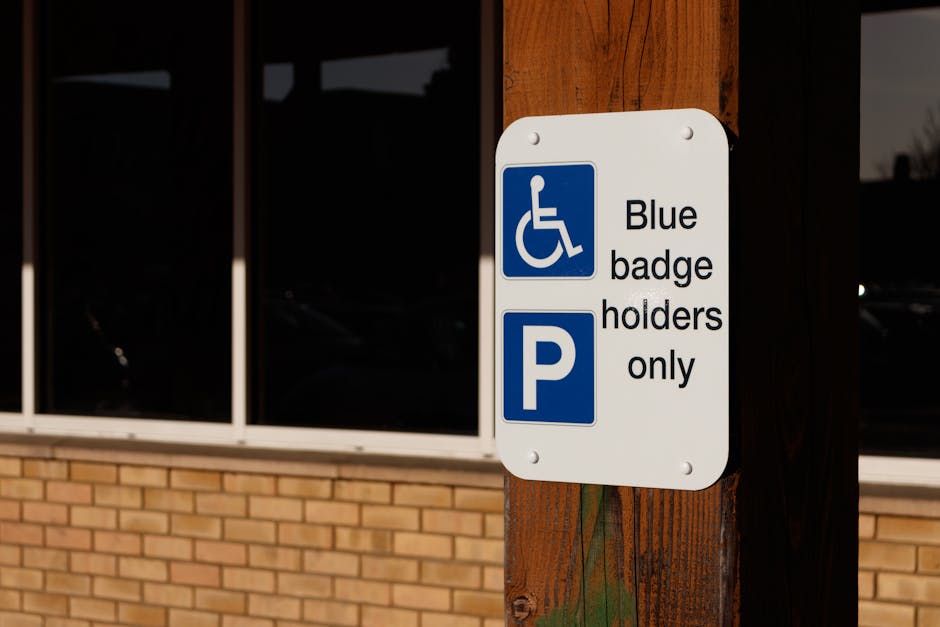
Tottenham guide to Haringey Council parking permits for removals

If you are moving in Tottenham, parking can become the one thing that turns a decent moving day into a messy one. A van parked too far away, a missed bay, or a restriction you only spotted at the last minute can all add stress fast. This Tottenham guide to Haringey Council parking permits for removals explains, in plain English, how to think about permits, what usually matters on moving day, and how to avoid the kind of avoidable delays that make everyone grumpy by 8:30am.
Truth be told, removals are already full of moving parts: keys, boxes, stairwells, neighbour access, and the inevitable last-minute item you forgot was in the loft. Add controlled parking zones or red routes into the mix, and the logistics matter even more. The good news? With a bit of planning, you can usually make the parking side feel a lot less chaotic.
- Why parking permits matter in Tottenham moves
- How Haringey Council parking permits for removals work
- Key benefits and practical advantages
- Who this is for and when it makes sense
- Step-by-step guidance
- Expert tips for better results
- Common mistakes to avoid
- Tools, resources and recommendations
- Law, compliance, standards and best practice
- Options, methods and comparison table
- Case study or real-world example
- Practical checklist
- Conclusion
- Frequently asked questions
Why Tottenham guide to Haringey Council parking permits for removals Matters
Parking is not a side issue on moving day. In Tottenham, where streets can be tight, busier at peak times, and subject to local restrictions, the wrong parking plan can affect the whole move. A van that cannot stop close enough to the property means longer carries, more fatigue, and more chances for damage. In some streets, it can also mean enforcement risk if a vehicle is left where it should not be.
That matters even more if you are moving from a flat, a terraced house, or an upper-floor property with awkward access. A few extra metres from the front door can be the difference between a smooth unload and a queue of people carrying drawers, monitors, or a sofa around a parked car. Not ideal, let's face it.
For many residents, the main purpose of a parking permit or dispensation is simple: to make sure the removal vehicle can stop legally and sensibly near the property. When that happens, the move is usually quicker, safer, and less stressful. It also helps keep neighbours happier, which is never a bad thing when everyone shares the same street.
If you are arranging a larger move, you may also want to think beyond parking and look at the broader service fit. For example, a home moves service can be a better match than trying to improvise with a smaller vehicle, while man and van support often suits smaller loads or quicker relocations. If you need a fuller service with packing, timing, and handling all coordinated in one place, check the relevant removal services options too.
How Tottenham guide to Haringey Council parking permits for removals Works
Every council area works a little differently, so it is worth being careful with assumptions. In general, parking arrangements for removals in Tottenham usually depend on the type of road, the restrictions in place, the size of the moving vehicle, and whether the vehicle needs to wait outside the property for loading and unloading.
In practice, there are a few common scenarios:
- Suspensions or dispensations may be needed where normal parking rules would otherwise stop a removal vehicle from using the best space.
- Resident permit bays may be relevant if the street uses controlled parking and a vehicle needs to stop in a bay for a limited period.
- Single yellow or timed restrictions can affect whether the move can happen at your chosen time.
- Loading rules may offer some flexibility in certain places, but you should not rely on this without checking the local conditions carefully.
The exact route to getting permission depends on the street and the move. Sometimes the homeowner or tenant makes the request. Sometimes the removal company helps coordinate it. And sometimes the best move is simply to work around the restriction by changing the timing or using a different vehicle size. A bit unglamorous, but effective.
If you are using a smaller vehicle, something like a removal van may be easier to position on a narrower Tottenham street than a larger truck. For heavier or multi-item jobs, however, a larger setup such as a moving truck may still be the better operational choice, so parking planning becomes even more important.
One practical point people miss: parking permission is only part of the puzzle. You still need to think about access, stairways, lift booking if relevant, and whether boxes can be staged close to the entrance. The permit helps the vehicle; it does not magically solve the rest.
Key Benefits and Practical Advantages
Getting the parking side right offers more than just legal peace of mind. It can make the entire move feel cleaner, calmer, and much less rushed.
- Less carrying distance: The closer the van, the quicker the loading and unloading.
- Lower risk of damage: Shorter carries usually mean fewer knocks on walls, door frames, and furniture corners.
- Better time control: A well-placed vehicle saves minutes that often turn into half-hours on moving day.
- Reduced enforcement risk: Proper planning helps avoid tickets, complaints, or unnecessary relocations.
- Less physical strain: That matters on a day when you are already lifting, bending, and navigating stairs.
There is also a quieter benefit: confidence. When the parking plan is sorted, everyone tends to work more steadily. The driver knows where to stop. The team knows where to bring items. You know the move is not about to unravel because a bay was ignored or a restriction was missed. Small thing, big effect.
If your move is a flat-to-flat job, the parking arrangement can be especially useful. Many people pair permit planning with a flat removals service because flats often involve tighter access and more time-sensitive loading. For bigger households, the organised approach of house removals is often the saner route.
Who This Is For and When It Makes Sense
This guide is useful if you are moving anywhere in Tottenham where parking is controlled, limited, or simply awkward. That covers a lot of everyday situations, honestly.
- Tenants moving out of a flat or maisonette
- Homeowners moving within Tottenham or elsewhere in Haringey
- Students leaving shared housing with limited street space
- Small businesses shifting stock, furniture, or equipment
- Anyone hiring a van or truck that needs a legal stopping point near the property
It also makes sense when you are on a tight schedule. Same-day handover? Keys being collected later than expected? Weather turning grim? A parking plan becomes part of your buffer. If things go sideways, you will be glad you dealt with the parking side early. In our experience, the people who do this well tend to have a much less fraught move, even if the rest of the day is a bit noisy and box-filled.
Some moves also benefit from extra support. For example, if you have a small load but need speed and flexibility, a man with van arrangement can work well. If you are moving office furniture or files, commercial moves and office removals need even more careful parking planning because access windows are often tighter and the items are less forgiving.
Step-by-Step Guidance
Here is the most practical way to approach parking permits for removals in Tottenham. Keep it simple, but do not be casual about it.
- Check the street restrictions first. Look at the signs on the road, the bay markings, and any obvious timed controls near the property.
- Work out the vehicle type. A small van, medium van, or larger truck may each have different parking needs.
- Decide how long the vehicle needs to stay. A quick load is very different from a full day move. Be realistic here.
- Ask whether a permit, suspension, or dispensation is needed. The right option depends on the specific street and the council's current process.
- Leave time for approval. Do not assume the request will be instant. Last-minute moves are possible, but they are less comfortable.
- Inform the removal team early. They may need to choose vehicle size, arrival time, or loading method based on the parking setup.
- Keep evidence handy. Save confirmations, reference details, or any written instructions so nothing gets lost on the day.
- Prepare a fallback. If the best bay is unavailable, know where the backup stop point is before the van arrives.
A small but useful habit: take photos of the street signs and the bay layout a day before the move. It sounds fussy, maybe even a bit nerdy, but it saves arguments later. People remember a lot less under pressure than they think they do.
If the move involves boxes that need organising before the vehicle arrives, it can help to use packing and boxes support or a more complete packing and unpacking services package. That way, the team spends less time hunting for loose items and more time moving efficiently.
Expert Tips for Better Results
Here are the details that often separate a straightforward move from a frustrating one.
- Book parking planning before you book the final move time. That gives you more room to adjust if needed.
- Use the smallest suitable vehicle. If access is tight, a smaller van may reduce parking pressure and speed up unloading.
- Build in a 20 to 30 minute buffer. Tottenham traffic and parking conditions can change quickly, especially around busier roads.
- Coordinate with neighbours if needed. A heads-up can prevent awkwardness where the moving vehicle may partially affect access.
- Keep heavy items near the exit. Fridges, beds, and wardrobes should not be the last things you stage.
One practical insight: if you are moving into a flat with a narrow approach road or tight courtyard, ask the removals team how they would load if the van has to park slightly further away. Experienced crews think about route length, not just vehicle size. That sort of small judgment call can save a lot of back-and-forth.
And yes, it is okay to ask what happens if the parking plan fails. A good removal setup should have a backup. You do not want everyone standing on the pavement with a sofa and nowhere to put it. Been there, seen that, not fun.
Common Mistakes to Avoid
Most parking problems on moving day come from a handful of avoidable mistakes.
- Leaving the permit request too late. This is probably the biggest one.
- Assuming loading rules are the same everywhere. They are not.
- Choosing a vehicle without checking the street. A large truck can be the wrong fit for a narrow road.
- Forgetting about return access. You may need the vehicle to stay longer than expected if the property is slow to empty.
- Ignoring neighbour access and visibility. Blocking drives or corners causes avoidable tension.
- Not matching timing to restrictions. A few hours can make the difference between a legal stop and a very annoying surprise.
Another subtle mistake is treating parking as purely an administrative problem. It is really an operations problem. It affects how the crew moves, how long the job takes, and how tiring the day becomes. So yes, it is paperwork, but it is also workflow.
If you want more help with avoiding operational slip-ups, choosing the right type of removal support can make a big difference. Some moves need a standard removals service; others benefit from a more tailored approach like same day removals when timing is the real challenge.
Tools, Resources and Recommendations
You do not need a huge toolkit to handle parking for a Tottenham move, but a few simple tools make the process easier.
- Phone camera: Useful for photographing signs, bay markings, and access points.
- Notes app or checklist: Keep permit reference details, timings, and contact names together.
- Measuring tape: Handy if you are unsure whether furniture or the vehicle will fit comfortably.
- Boxes with labels: Faster loading means less time the van needs to stay parked.
- Printed moving plan: Old-fashioned, perhaps, but reliable when phones run flat or signal is weak.
From a practical service point of view, a reputable removal team should be able to talk you through parking concerns before the move day. If you are comparing providers, look for clear communication, sensible vehicle planning, and insurance awareness. You can also review a company's insurance and safety approach, which is useful whenever you are moving valuable items in a restricted street.
If you want to understand whether the overall pricing reflects the complexity of the move, have a look at the company's pricing and quotes information. Parking complexity can affect how much time and vehicle space a move needs, so transparency matters.
For people with surplus items, storage can also reduce pressure on the move. If you do not need everything delivered on day one, storage can make the parking and unloading process simpler because fewer items need to be managed in one burst.
Law, Compliance, Standards, or Best Practice
This is one of those areas where a careful, common-sense approach matters. Parking on public roads in London is governed by local restrictions, road markings, and enforcement arrangements, and those can vary street by street. Because of that, the safest approach is always to check the actual road conditions and follow the process set by the local authority or street signage for that location.
Best practice for removals in Tottenham usually includes:
- checking parking signs and bay markings before move day
- confirming whether a permit, dispensation, or suspension is required
- planning arrival times around restrictions and property access
- keeping permission details available on the day
- making sure the vehicle does not block driveways, junctions, or emergency access
If you are using a professional removals team, they should also think about safe lifting, load security, and vehicle suitability. Those are not just nice extras; they are part of basic good practice. A company's health and safety policy should give you confidence that the practical side of the job is being treated properly, not casually.
And if you are moving business equipment or stock, the compliance mindset matters even more. Commercial premises often have building rules, loading restrictions, and landlord expectations that sit alongside road parking issues. Not exactly glamorous, but very real.
Options, Methods, or Comparison Table
There is no single best parking solution for every move. The right choice depends on the street, the vehicle, and how long loading will take.
| Option | Best for | Advantages | Watch out for |
|---|---|---|---|
| Permit or bay arrangement | Moves in controlled parking streets | Helps the vehicle stop close to the property | May need advance planning and specific timing |
| Short loading window | Smaller moves or fast turnarounds | Simple and efficient if everything is ready | Can fail if packing is unfinished or access is slow |
| Smaller vehicle | Narrow Tottenham streets or limited stopping space | Easier to position, often more flexible | May require extra trips for larger loads |
| Larger truck | Full property moves with heavier furniture | Can move more in one trip | Needs more parking space and tighter coordination |
If you are unsure which route to choose, think about the move in practical terms: how many items, how much stair access, and how far the vehicle will be from the door. Sometimes the "best" answer is not the one that looks simplest on paper. It is the one that keeps the day moving.
Case Study or Real-World Example
Picture a typical Tottenham flat move on a damp Friday morning. The street is busy, a couple of residents have already left for work, and the front bays are limited. The occupant has packed well, but there is a sofa bed, three wardrobes, and a stack of boxes that all need to come out before the key handover at 2pm.
In that situation, parking planning becomes the anchor point. The removal team arrives with a vehicle suited to the street, the unloading point is chosen to minimise carrying distance, and the boxes are stacked by room so nothing gets lost in the shuffle. Even with a few delays, the move stays controlled because the team is not wasting time circling the block or searching for an impossible parking space.
That sort of move can also benefit from professional help with the heavy or awkward bits. If the job includes dismantling, specialist handling, or fragile items, services such as furniture removals or house removals can take some of the strain out of the day. For people moving from a one-bedroom flat, the difference between a rushed scramble and a calm handover can be surprisingly small: one decent parking decision.
Not magic. Just planning.
Practical Checklist
Use this checklist a few days before the move. If you can tick most of it off, you are in decent shape.
- Check the street signs and bay markings outside both properties
- Confirm whether parking permission is needed for the removal vehicle
- Decide the most suitable vehicle size
- Book the move time around any parking restrictions
- Tell the removal company about narrow roads, gates, or difficult access
- Prepare boxes and labels so loading is quick
- Keep permit or parking approval details easy to find
- Arrange a backup parking option if the first choice is unavailable
- Warn neighbours if the van may briefly affect access
- Review insurance, safety, and terms before the move
Small thing, but helpful: keep a charger pack in your pocket. Moving days have a funny way of draining phones at exactly the wrong moment.
Get a free quote today and see how much you can save.
Conclusion
A well-handled parking permit plan can be the difference between a Tottenham move that feels organised and one that feels like a minor street event. If you take anything from this guide, let it be this: parking is not a detail to leave until the morning of the move. It is part of the move itself.
Whether you are dealing with a compact flat, a family house, or a business relocation, the smart approach is the same. Check the street, match the vehicle to the access, allow time for permissions, and keep your team informed. Do that, and the rest of the day has a much better chance of going the way you want it to.
If you are comparing move types, it can help to look at removal companies and decide whether you need a full service or a lighter setup. Either way, a calm, well-planned move is still possible. And honestly, that is what most people want most: a clean start in a new place, without the parking drama hanging over it.
One step at a time. That is usually enough.
Frequently Asked Questions
Do I need a Haringey Council parking permit for removals in Tottenham?
Often, yes, if the street has controlled parking, timed restrictions, or limited waiting spaces. The exact need depends on the road, the vehicle, and how long the move will take. It is always safer to check the street conditions early rather than assume you can stop anywhere near the property.
Can a removals van stop on loading restrictions in Tottenham?
Sometimes loading is allowed, but not everywhere and not under every condition. You should check the local signs, bay markings, and any restrictions that apply to the specific street. Do not rely on habit or guesswork, because parking enforcement can be strict in busy London streets.
How far in advance should I sort out parking for a move?
As early as possible. A few days is better than a few hours, especially if the move is on a weekday or in a tightly controlled street. Early planning gives you room to adjust vehicle size, timing, and loading arrangements if needed.
What happens if there is no space outside my property on moving day?
You may need to use a backup parking spot, move the vehicle to another nearby space, or adjust the loading sequence. This is why a fallback plan matters. If the move team knows the area well, they can often suggest the most sensible workaround.
Is a smaller van better than a larger truck in Tottenham?
Not always, but often it is easier to position a smaller van on a narrow street. A larger truck can be more efficient for a full house move, yet it may create more parking pressure. The best choice depends on access, item volume, and how much loading time you have.
Can my removal company help with parking planning?
Yes, many professional movers can help you think through the parking side of the job. They may not handle every council process for you, but they should be able to advise on vehicle size, timing, and access issues. A good company treats parking as part of the overall move plan, not an afterthought.
What if I am moving a flat and the street is very tight?
That is a classic case where planning matters a lot. Flat moves often work better with smaller vehicles, a clear loading route, and boxes that are ready to go. If the building has awkward access, it is worth discussing that early so the move does not become a stressful shuffle up and down the stairs.
Are parking permits the same for home and office moves?
No, the principles are similar, but the details can differ. Office moves may involve loading bays, building rules, or time windows that do not come up in home removals. It is worth treating commercial and domestic jobs separately when you plan the parking.
What should I prepare on the day of the move?
Keep your parking permission details, contact numbers, keys, and a basic moving checklist close by. It also helps to know where the vehicle will stop, which entrance to use, and which items are coming out first. The less you leave to improvisation, the smoother the day usually feels.
Where can I find help if my move includes packing or storage?
If you need more than transport, look at support such as packing and boxes, packing and unpacking services, and storage. These can reduce pressure on the move and make parking easier because the team spends less time handling loose or unprepared items.
What is the biggest mistake people make with removals parking?
The biggest mistake is leaving it too late. People often focus on packing, cleaning, or key handover and forget that the vehicle also needs a legal place to stop. Once that happens, the move can become slower, more tiring, and much more stressful than it needed to be.
How do I know if I need a full removals service or just a van?
Think about the size of the property, the amount of furniture, and how much help you want on the day. A full move service suits bigger or more complex jobs, while a smaller vehicle and lighter support may work for simpler moves. If you are unsure, comparing man with a van options with fuller removals support is a sensible place to start.