West Green Road shop removals checklist for Tottenham businesses
Moving a shop on or near West Green Road is not just a matter of loading boxes and hoping for the best. For Tottenham businesses, a good West Green Road shop removals checklist for Tottenham businesses can mean the difference between a smooth overnight changeover and a messy morning of missing stock, blocked access, and staff stood around waiting for the van to turn up. Truth be told, retail and small commercial moves have a way of exposing every weak spot in the plan.
This guide walks you through the practical side of a shop move: what needs doing, in what order, and where business owners often get caught out. Whether you run a convenience store, a salon, a small takeaway, a showroom, or a mixed-use retail unit, the aim is the same - protect stock, protect cash flow, and reopen with as little drama as possible. And yes, the devil is in the detail.
One thing you will notice about local moves in Tottenham is that the environment matters. Narrow stretches, busy traffic, loading restrictions, shared access, and the usual London parking puzzle can all shape how your move goes. A checklist keeps all of that in one place, which is surprisingly calming when the shopfront is half-packed and someone has misplaced the tape.
Table of Contents
- Why West Green Road shop removals checklist for Tottenham businesses Matters
- How West Green Road shop removals checklist for Tottenham businesses Works
- Key Benefits and Practical Advantages
- Who This Is For and When It Makes Sense
- Step-by-Step Guidance
- Expert Tips for Better Results
- Common Mistakes to Avoid
- Tools, Resources and Recommendations
- Law, Compliance, Standards, or Best Practice
- Options, Methods, or Comparison Table
- Case Study or Real-World Example
- Practical Checklist
- Conclusion
- Frequently Asked Questions
Why West Green Road shop removals checklist for Tottenham businesses Matters
A shop move is a chain reaction. If one part slips, everything else starts wobbling. Stock does not end up where it should. Card machines are still in the wrong box. The signage contractor turns up before the new keys are ready. The refrigeration unit is disconnected too late, or the replacement shelving arrives after the first planned trading day. The checklist is there to prevent that creeping chaos.
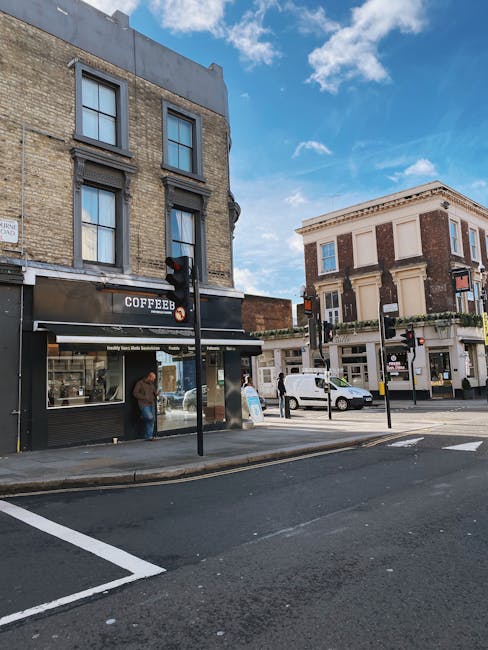
For Tottenham businesses, especially those in active high-street or mixed commercial areas, local conditions add a few extra twists. Deliveries may be limited by road layout. There may be pavement users, neighbouring traders, and time-sensitive access windows. A move that looks simple on paper can become awkward fast if the shopfront is on a busy stretch and the van has nowhere sensible to stop. That is why planning matters before a single item is wrapped.
A checklist also helps you think like a business owner, not just a mover. Which items must be operating on day one? Which can go into storage? Which need specialist handling? Which staff member is responsible for keys, counts, or supplier notifications? Small questions, but they save real money.
Expert summary: A good shop removals checklist is not about making the move "perfect". It is about keeping the business trading, avoiding expensive surprises, and making sure every practical decision happens early enough to matter.
How West Green Road shop removals checklist for Tottenham businesses Works
At its simplest, the checklist turns a shop move into stages. You start with planning, then inventory, then packing, then access and transport, then setup and reopening. It sounds straightforward, and in theory it is. In practice, each stage has little traps, which is exactly why people use a structured list instead of relying on memory and optimism. Optimism is nice. It is not a moving strategy.
Most successful business moves follow a similar rhythm:
- Review the current site - note stock, fittings, equipment, and anything delicate or awkwardly sized.
- Set a move date and window - ideally with enough time to pack properly and notify customers.
- Assign responsibilities - one person handles stock checks, one handles supplier communication, one handles keys and access.
- Book the right support - for many businesses, a commercial move service is a better fit than a generic van hire arrangement.
- Prepare the destination - check layout, utilities, storage zones, and where the first delivery will go.
- Move in a controlled sequence - fragile items, high-value stock, fixtures, and business-critical equipment should be prioritised.
- Test and reopen - confirm power, internet, payments, signage, alarms, and safe walkways before trading resumes.
That sequence looks tidy because it is meant to be. But the real work comes from the detail within each stage. For example, a till system may not be physically large, yet if it is not labelled, backed up, and reinstalled correctly, the whole first day can stall. Small system, big headache.
Many Tottenham shops also need to think about timing around footfall. If you move during a busy weekend, you may be fighting both traffic and customer expectations. If you choose an early weekday slot, you may gain better loading conditions but need a tighter internal plan. There is no one-size-fits-all answer; the right timing depends on your trade and local access.
Key Benefits and Practical Advantages
Using a proper removals checklist for a shop move gives you more than neat paperwork. It brings order to a task that can otherwise sprawl across weeks.
- Less trading disruption: You can prioritise the items needed to open quickly, rather than unpacking random boxes at 8 a.m. and hoping the card reader appears.
- Better stock control: Inventory checks before and after the move reduce shrinkage, breakage, and confusion.
- Safer handling: Bulky display units, glass shelving, and electrical equipment are easier to manage when packed and labelled in a proper sequence.
- Cleaner budgeting: When you know what needs moving, storing, dismantling, or disposing of, you get a better handle on costs.
- Less staff stress: A team working from a plan is calmer, faster, and less likely to double-handle the same item three times.
- Faster reopening: The right setup order helps you trade again sooner, which matters a lot when every day out of action affects revenue.
There is also a quieter benefit that business owners sometimes underestimate: confidence. Once you can point to a checklist, every update feels more manageable. You are not reacting to the move. You are running it.
And to be fair, that confidence shows up in the team too. Staff are far more likely to help effectively when they know what the plan is, what they are responsible for, and where the finish line sits.
Who This Is For and When It Makes Sense
This checklist is for Tottenham businesses moving any kind of customer-facing or stock-led space near West Green Road. That could mean a small retailer, a barber or salon, a cafe, a vape shop, a specialist goods store, an estate agency with premises, or even a mixed retail and storage unit. If there are shelves, stock counts, fixed counters, display units, or sensitive equipment involved, you need more than a basic van booking.
It also makes sense if you are:
- upsizing to a better unit
- downsizing and need careful sorting
- moving to reduce rent or overheads
- reconfiguring the store layout for trade
- closing one site and combining stock into another location
- reopening after renovation or refurbishment
Even short-distance moves can be surprisingly complex. A shop moving two streets away may still need the same level of planning as one crossing the borough, because the risk is rarely distance alone. It is access, timing, and business continuity. That is the bit people feel on the day.
If your business has heavy items, fragile product displays, or awkward access at either end, the checklist becomes even more useful. A narrow front door and a long internal corridor can turn a simple job into a slow one. No drama, just reality.
You should also use this approach if you are coordinating a move with contractors, landlords, accountants, or franchise requirements. When more than one person has a stake in the move, the written plan keeps everyone aligned and reduces the classic "I thought you were handling that" moment.
Step-by-Step Guidance
Here is a practical step-by-step process you can use for a West Green Road shop move. It is broad enough to work for most businesses, but specific enough to be genuinely helpful.
1. Audit everything in the unit
Start with a full walk-through. List stock, fixtures, equipment, signage, cleaning materials, promotional items, paperwork, and anything stored in back rooms or under counters. Shop moves often reveal forgotten clutter in the nicest possible way - which is to say, not very nicely at all.
Separate the list into four groups: moving, storing, disposing, and reviewing. That makes decisions easier later.
2. Decide what the business must have on day one
Think about the essentials for reopening: till, payment devices, key stock lines, internet router, signage, cleaning kit, bags, price labels, and any health-and-safety equipment. A shop can survive a missing decorative item. It cannot trade very well without the card machine or the correct keys.
3. Choose the move date with access in mind
Timing matters more than people expect. If your road is likely to be busy, or if you need kerbside loading, build in extra time. Where necessary, use a quieter period to avoid awkward delays. A move at 6 a.m. can feel strangely peaceful; a move at 11 a.m. near a busy strip can feel like an endurance test.
4. Notify the right people early
Let staff, suppliers, service partners, landlords, and regular customers know what is changing. Update opening times, delivery instructions, and any temporary contact details. If you take bookings or pre-orders, make sure no one turns up to an empty unit and a locked shutter. That sort of thing is avoidable.
5. Prepare packing materials and labels
Good labels save time later. Use clear categories such as "fragile", "counter", "stock room", "electronics", "front display", and "priority reopening". If you want even more control, number boxes and keep a master list so you can track what is in each one.
For a lot of business moves, a proper packing and boxes approach is worth the effort because it reduces breakage and speeds up unpacking. You do not need fancy kit for everything, but you do need consistency.
6. Protect high-value and sensitive items
Items like tills, card machines, cameras, POS units, glass cabinets, laptops, and specialist tools should be packed carefully and labelled clearly. If there are items with data on them, back them up before the move. That is not glamorous, but it is the kind of sensible step that saves a lot of grief later.
7. Dismantle fixtures methodically
Remove shelving, counters, hooks, and displays in a sequence that matches the new setup. Keep screws, brackets, and fittings in sealed bags, and label each bag against the relevant item. It sounds obvious. Then moving day comes, and suddenly one bag is hiding under a roll of tape and everyone's pretending not to panic.
8. Set up the new premises before trading
Check power, lights, alarm systems, internet, refrigeration, safety signage, and customer flow. Place the essentials first, then the display items, then anything decorative. If the shop is a customer-facing business, the front-of-house area should be ready before the back room becomes a storage dumping ground.
9. Do a post-move stock and equipment check
Once everything is in, compare what arrived with your original list. Look for damage, missing items, and anything that needs adjusting. A quick count now prevents a lot of confusion a week later when someone asks where the spare till roll went.
Expert Tips for Better Results
Small decisions can make a big difference. That is the honest truth of shop removals.
- Pack by opening order, not by room alone. If you know what you need first, unpacking becomes much easier.
- Use colour-coded labels. Green for immediate use, yellow for later, red for fragile or restricted items. Simple, but effective.
- Photograph setups before dismantling. Pictures of shelving, cable runs, display arrangements, and counter layouts can save time when rebuilding.
- Keep one "first day" crate. Include tape, scissors, pens, chargers, cleaning wipes, a cash float if used, and spare labels.
- Protect the floor and doorways. Especially in older shop units, damage during move-in can become a nuisance very quickly.
- Plan for waste as well as moving. Old packaging, damaged stock, out-of-date displays, and broken fittings need a route out, not just a place to sit.
One useful local habit is to allow more time than you think you need for loading and access. West Green Road and the surrounding streets can be straightforward on a good day, then strangely fiddly on a bad one. You know the sort of day. A delivery vehicle stops, someone is double-parked, a neighbour needs access, and the whole plan slows by twenty minutes. That buffer matters.
If your move includes heavy or awkward furniture, it can be worth using a service with the right lifting approach rather than assuming two people and a hopeful attitude will do the trick. Let's face it, business furniture has a way of being heavier than it looks.
Common Mistakes to Avoid
The biggest mistakes are usually not dramatic. They are the small, forgettable things that pile up.
- Leaving the packing too late: This creates rushed labelling, poor stock control, and more breakage.
- Ignoring access at the new site: A van can arrive on time and still lose the day if there is nowhere sensible to unload.
- Not separating priority items: If reopening essentials are buried inside mixed boxes, the first day becomes slower than it should be.
- Failing to back up digital systems: Payment records, stock data, and booking information should never rely on one device.
- Underestimating disposal needs: Old fixtures and unwanted stock need an exit plan.
- Skipping final checks: A quick walk-through at the old and new premises catches what everyone else missed.
Another easy mistake is assuming that "near enough" is good enough with labels. It really is not. A box marked "electronics-ish" helps nobody. Be blunt, be specific, and keep the writing legible. Future you will be grateful, even if current you rolls your eyes a bit.
And do not forget the basics like keys, access codes, alarm instructions, and opening times. Those are the things that derail a tidy move in the most irritating way possible.
Tools, Resources and Recommendations
You do not need a warehouse of specialist kit, but a few sensible tools make the process easier and safer.
| Tool or resource | What it helps with | Why it matters |
|---|---|---|
| Strong boxes and crates | Stock, paperwork, small fixtures | Prevents collapse, crushing, and loose packing |
| Labels and markers | Sorting and identification | Makes unpacking and stock checks much faster |
| Bubble wrap or protective wrap | Glass, screens, delicate items | Reduces impact damage during transit |
| Tool kit | Dismantling and reassembly | Stops unnecessary delays when fixtures need adjusting |
| Inventory sheet or spreadsheet | Tracking what is moving | Helps confirm what left, what arrived, and what is missing |
| Cleaning supplies | Hand-over and setup | Useful for both the old unit and the new premises |
For businesses that want more support, it can help to compare broader service options too. For instance, a dedicated commercial moves approach is often more suitable than a basic one-off van booking when there are multiple fittings, trading items, and access considerations. If the move is smaller, a flexible man with a van solution may be enough. The right choice depends on the volume, the access, and how much needs careful handling.
It is also worth thinking about storage if your new unit is not ready on the same day. Short-term storage can ease pressure and prevent rushed decisions. That can be a relief when the new site is almost ready but not quite there yet.
For businesses with larger, awkward, or particularly valuable items, specialist support can save time and reduce risk. A shop with fixed furniture, back-office equipment, or bulky units may benefit from looking at removal services in a broader sense, rather than assuming the move is just about transport.
Law, Compliance, Standards, or Best Practice
Shop removals are not usually about one single law or rule. They are about meeting a range of practical duties and normal UK business expectations. That includes safe lifting, sensible packing, careful transport, and looking after staff and customer access during the move.
If your move involves heavy items, awkward loads, or repeated manual handling, it is wise to plan conservatively and avoid risky shortcuts. Use proper lifting techniques, reduce unnecessary carrying distances, and make sure walkways stay clear. If electrical equipment is involved, disconnecting and reconnecting should be handled carefully and by the right person where needed.
You should also think about insurance and liability. Confirm what is covered during transit, who is responsible for breakage, and how claims would be handled if something goes wrong. A business move is one of those times when "we assumed it was covered" is not a sentence anyone wants to say afterwards.
Data and payment systems deserve separate attention. If your business holds customer details, booking records, or payment-related equipment, back up the data and secure it during transport. For shops with alarms, CCTV, or access systems, test them before reopening so you do not discover a problem when the shutters are already up.
Best practice also means being realistic about the street and the neighbourhood. Busy London roads, shared loading spaces, and local parking controls can affect the move schedule. If you need to understand transport planning or vehicle suitability, pages like removal van and moving truck can help you think through what size of vehicle is sensible for your job.
And if you are comparing providers, check the basics properly: clear pricing, transparency about access charges, sensible communication, and proof of insurance. That is not overcautious. That is just good business.
Options, Methods, or Comparison Table
There are usually a few ways to handle a West Green Road shop move. The best option depends on size, timing, and how hands-on you want to be.
| Method | Best for | Pros | Trade-offs |
|---|---|---|---|
| Full commercial move support | Shops with stock, fixtures, and multiple work areas | More structured, less disruption, better for complex moves | Usually more involved to plan |
| Man and van style support | Smaller units or lighter loads | Flexible, often quick to arrange, useful for short distances | May not suit larger fixtures or staged moves |
| Split move with storage | Premises not ready immediately | Reduces pressure and allows phased reopening | Needs extra coordination and organisation |
| Self-managed move | Very small shops with limited contents | Lower direct service cost | Higher risk of delays, damage, and staff fatigue |
In practice, many Tottenham businesses end up using a mix. For example, a small retailer may handle loose stock themselves but use professional help for display units or heavier furniture. That hybrid approach can work well, especially if the opening date is tight. It is a bit like packing a suitcase with a plan instead of just stuffing things in and sitting on the zip.
If you want to compare moving support with general domestic options, the difference is mostly in scale and handling. A business move needs more attention to timing, stock accountability, and setup order than a standard home move. That is why services such as office removals can be a useful reference point even for retail premises with admin areas, because the discipline around equipment, packing, and sequencing often overlaps.
Case Study or Real-World Example
Here is a realistic example. A small Tottenham shop with a narrow front entrance needed to move a short distance along the same road. On paper, it looked simple: fewer than a handful of shelving units, a till counter, mixed stock, and some back-room storage. But the shop traded late, the old unit had awkward rear access, and the new premises needed cleaning before fittings could go in.
What made the move work was not luck. It was sequencing. The owner separated stock by priority, labelled all fixtures, backed up the till data, and prepared the new site before move day. Fragile items were packed first, display units were dismantled in order, and a first-day box was kept aside for cables, tape, scissors, and cleaning wipes. Nothing flashy. Just disciplined.
There were still small surprises - there always are. One shelf bracket went missing for a while, and the delivery of replacement packaging arrived later than expected. But because the business had a checklist, those hiccups did not snowball. The shop reopened on time, the team knew where the essentials were, and customers were not left guessing whether the place was still shut.
That is the real value of a removals checklist. It does not remove every problem. It makes the problems smaller, clearer, and easier to solve.
Practical Checklist
Use this as a working checklist for a West Green Road shop move. Tick each item off as you go, not all at once in a heroic burst on the final day.
- Confirm the move date, access times, and handover arrangements
- Measure entrances, corridors, stairs, and loading points at both premises
- Identify priority items needed for reopening
- Complete a stock and equipment inventory
- Back up any digital records, tills, or booking information
- Notify staff, suppliers, and regular customers
- Arrange packing materials, labels, tape, and protective wrap
- Separate fragile, high-value, and sensitive items
- Dismantle fixtures and bag hardware by item
- Plan disposal or recycling for unwanted stock and fittings
- Confirm transport arrangements and vehicle size
- Check insurance and responsibility for goods in transit
- Prepare the new premises for setup and safe entry
- Test utilities, payment systems, alarms, and internet before trading
- Do a final walk-through of both the old and new units
- Carry out a post-move stock reconciliation
For many businesses, this list becomes even more effective when paired with a proper packing plan. If you need help organising cartons, wrapping, and sequence, a dedicated packing and unpacking services approach can take a lot of pressure off the team. And if your move is time-sensitive, it may also help to read about same-day removals so you can judge whether speed or staging is the better fit.
One small but helpful tip: keep a "do not move yet" area in the old shop for anything still in use until the final sweep. It sounds minor. It really is not. It stops accidental packing of things you still need.
Get a free quote today and see how much you can save.
Conclusion
A shop move on or near West Green Road is manageable when you treat it like a business project, not just a transport job. The checklist gives you structure, the timeline keeps the pressure down, and the right support helps you protect stock, equipment, and trading continuity. That combination matters far more than chasing the cheapest option on the day.
If you are planning a move in Tottenham, the best next step is simple: write down what has to happen first, what can wait, and what needs professional handling. Once those pieces are clear, the whole process gets easier. Not effortless, but easier. And sometimes that is exactly what you need.
Move well, keep it tidy, and give yourself enough room to breathe. The business will thank you for it.
Frequently Asked Questions
What should be on a shop removals checklist for a Tottenham business?
A strong checklist should cover stock, fixtures, equipment, labels, packing materials, access arrangements, supplier notifications, insurance checks, and setup at the new premises. If the shop relies on tills, bookings, or refrigeration, add those as separate priority items.
How far in advance should I plan a shop move near West Green Road?
As early as possible. Smaller moves may need only a short lead time, but most shop relocations benefit from several weeks of planning so you can pack properly, notify customers, and confirm access. The more trading items you have, the earlier you should start.
Do I need professional help for a small shop move?
Not always, but many businesses find it useful. If you only have light stock and a few boxes, a simple setup may be enough. If there are display units, heavy counters, or time pressure, professional support usually pays for itself in reduced stress and fewer delays.
How do I avoid damaging stock during a shop move?
Use sturdy packing, label fragile items clearly, and separate breakables from heavier goods. Keep liquids sealed, wrap glass carefully, and pack by category rather than mixing everything together. A stock count before and after the move helps catch any issues early.
What is the biggest mistake businesses make during a shop relocation?
Rushing the packing and leaving access planning too late is probably the most common mistake. People often focus on the van and forget the new unit, which is where the day can unravel. A move usually goes wrong in the gaps, not the headline tasks.
Should I store items if the new shop is not ready yet?
Yes, if the timing does not line up cleanly. Short-term storage can be a sensible bridge between sites, especially if you need to clear the old shop before the new one is fully ready. It reduces pressure and gives you breathing room.
How do I prepare tills and digital systems for moving?
Back up data before the move, secure devices separately, and label cables and accessories carefully. If possible, keep an "essential tech" box for the first day so you can get payment and admin systems running quickly once you arrive.
Can I move a shop in one day?
Sometimes, yes. Small and straightforward moves may be possible in a single day, especially if the route is short and the new unit is ready. But the timeline depends on access, load size, and how much setup is needed before trading can resume.
What should I check at the new premises before moving in?
Check access routes, power, lighting, security systems, storage space, and where the first deliveries will go. It is also wise to confirm measurements, because a fixture that fit perfectly in the old shop may be awkward in the new one. That happens more often than people expect.
How can I make reopening faster after the move?
Prioritise essential items, pack by opening order, and set up the customer-facing area first. Keep cleaning supplies, labels, and cables easy to reach. If the business can trade before everything is beautifully arranged, that is often better than waiting for perfection.
Are there any compliance issues I should think about during a shop move?
Yes. You should think about manual handling, safe access, data protection, insurance, and the security of payment and customer information. If electrical or specialist equipment is involved, handle it carefully and use the right support where needed.
What kind of removals service suits a Tottenham shop best?
It depends on the scale of the move. A small unit may suit a flexible van-based service, while a larger or more complex shop usually benefits from commercial move support. The best fit is the one that matches your stock, access, and reopening deadline.